
The official premise is the starting point
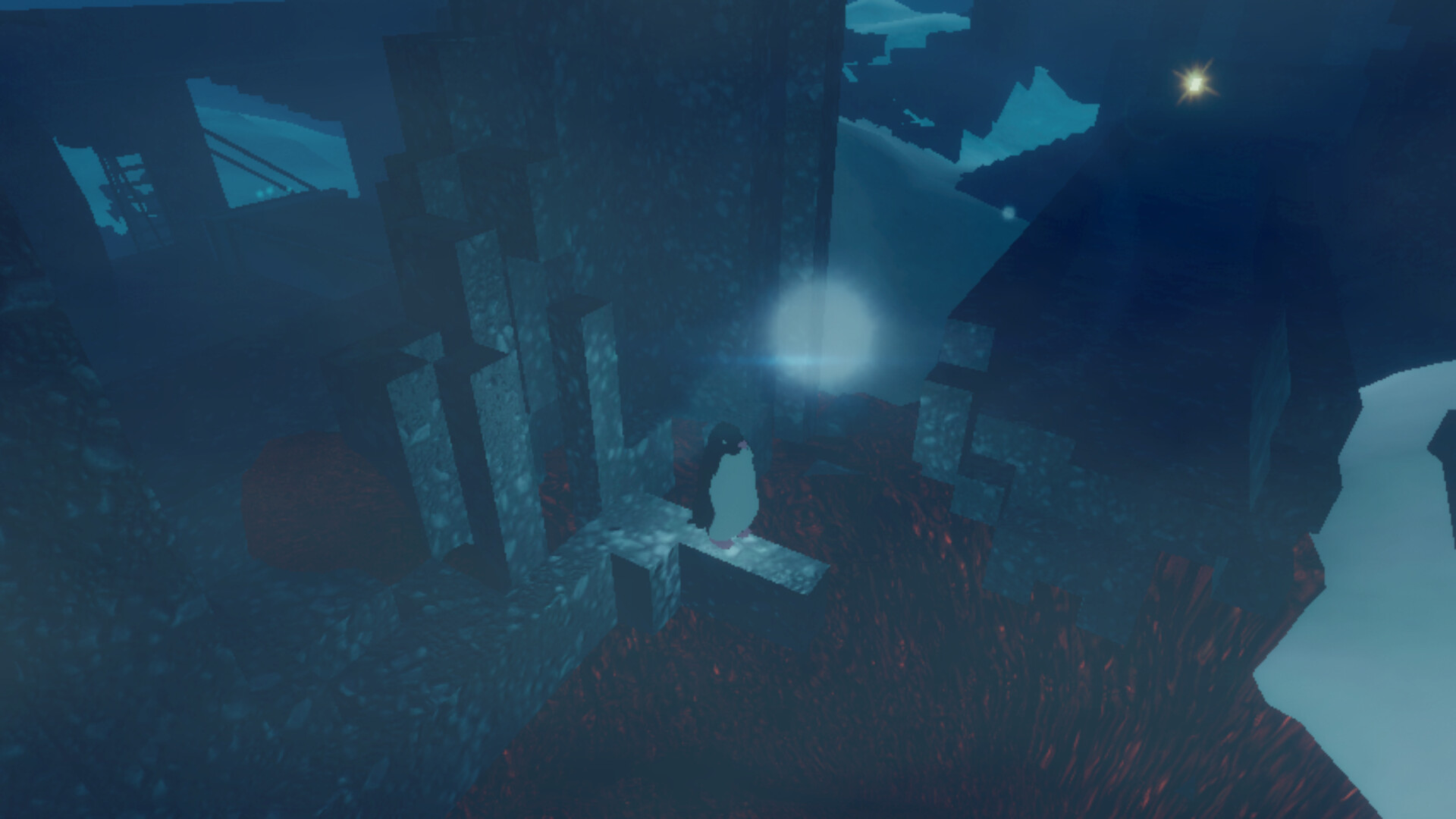
The game is set in Antarctica in 1939 and follows rival human expeditions through a penguin viewpoint. The official description identifies an ancient presence beneath the ice as the focus of their arrival. Those facts explain the setup from which an ending discussion would need to begin.
They do not reveal the final resolution. A premise can describe a conflict without establishing which objective succeeds, how the last sequence unfolds or what the player must do to reach it. This distinction is essential when an article title asks for an explanation that the available evidence cannot yet complete.
The two motives are confirmed, not their outcomes
The Nazi expedition seeks to exploit the ancient power. The Indigenous Kaitiaki seek to return it to slumber and carry a protective responsibility. These are the opposing aims described by the publisher.
Their aims should not be rewritten as confirmed final events. Knowing what a group intends does not establish whether that intention is fulfilled. The factions article explains the contrast at premise level without inventing a victory, failure or branching allegiance outcome.
The themes supply context without proving scenes
Fellow Traveller describes the story in terms of obsession, colonialism and the arrogance of treating the unknown as something to conquer. That official framing helps explain the conflict’s stated concerns. It is a useful context for reading the premise even before discussing particular later scenes.
It does not authenticate a final dialogue line, an ending card or a definitive interpretation of a scene not verified here. Theme and event are different kinds of claim. This page therefore retains the publisher’s context without adding uncollected quotations or presenting speculation as a synopsis.
A demo endpoint is not the full-game finale
The public demo is introduced as a preview of the wider experience. Its existence does not establish that the events shown at its end are the conclusion of the finished campaign. A demo playthrough and a full-game ending recording answer different questions.
The collected videos were identified through their metadata and descriptions, not a successfully retrieved transcript. They therefore do not support a complete spoken ending explanation on this page. The demo walkthrough remains a guide to the documented opening approach, with no claim to explain a retail finale.
Literary inspiration is not a substitute for the ending
The official material cites At the Mountains of Madness and The Shadow Out of Time as inspirations. It describes the game as an adaptation and reimagining rather than guaranteeing a literal reproduction of one text. That distinction prevents a literary plot summary from standing in for unverified game events.
Even a familiar source story cannot establish the choices made in this specific game’s final sequence. Importing its resolution would add information that the collected game material does not confirm. The story explanation therefore stays with the documented setting, perspective and literary relationship.
What remains outside this explanation
No ending count, secret-finale requirement or authenticated full-game conclusion was established in the supplied research. Those items are not filled with a theory merely because the search question asks for them. The useful current answer is the confirmed context and the clear boundary around what has not been verified.
For spoiler-light information, continue with factions or the general story article. For the way clues are encountered, use exploration and secrets. Those pages address documented aspects of the game while a genuine final-sequence analysis still needs evidence the research did not obtain.