
Two expeditions with opposing aims
The official premise places both groups in Antarctica in 1939. They are drawn toward the same ancient presence, but that shared destination does not mean they want the same outcome. Their opposing aims form the central conflict described by the publisher.
This is a premise-level explanation rather than a summary of the ending. Knowing why each expedition arrives does not establish what eventually happens to either group. The distinction keeps the faction introduction useful without presenting an unverified final outcome as background information.
What the Nazi expedition wants
The publisher describes the Nazi expedition as seeking a power it intends to use for destructive purposes. The demo announcement expands that context by connecting the search with claims of supremacy. Those motives place the expedition’s desire to extract and control at the center of the setup.
The human group’s stated goal should not be confused with a confirmed gameplay reward for the player. The sources explain what the expedition is pursuing within the story. They do not establish a mechanic where you join it, earn standing or complete an authenticated faction-specific quest chain.
What the Kaitiaki are protecting
The Kaitiaki are identified as Indigenous protectors carrying a responsibility across generations. Their purpose is to return the ancient presence to slumber rather than seize it for exploitation. This gives the conflict a difference in responsibility as well as a difference in immediate objective.
The official description presents their role as an existing commitment, not an option created by the penguin player. It explains why the second expedition opposes the first without providing an ending resolution. That is the scope at which the collected material supports a confident answer about them.
Why the penguin viewpoint changes the framing
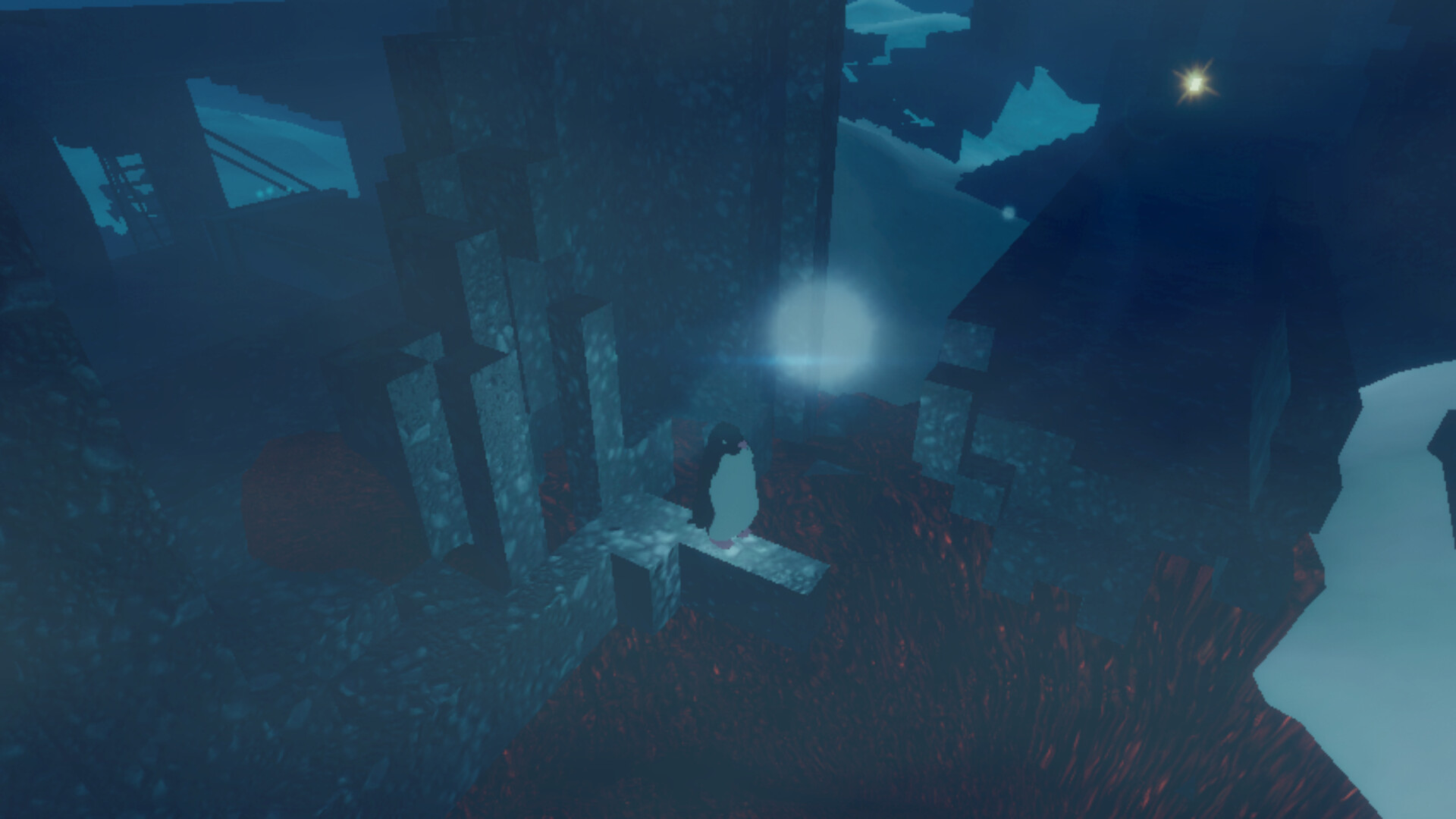
The playable perspective belongs to the local penguins rather than to either human expedition. Official material emphasizes inhabiting those animals while following and observing the human arrivals. Nintendo World Report’s demo account also describes the narrative emerging around exploration rather than a conventional human-party viewpoint.
This framing makes the expeditions visitors in a landscape that is already the penguins’ home. It is part of the reason the story description talks about human intrusion and observation. That explanation does not require inventing a third recruitable faction or a player allegiance meter.
The conflict and the game’s themes
Fellow Traveller frames the story around obsession, colonialism and the arrogance of believing the unknown exists to be conquered. The faction motives fit that official thematic description directly. Gematsu’s story-trailer coverage reproduces the publisher overview, providing a clear published reference for the same setup.
Because that coverage explicitly derives from the publisher, it should not be treated as a separate playthrough proving later events. It is useful for corroborating how the game was introduced to prospective players. Interpretation of specific scenes still needs evidence from those scenes rather than the premise alone.
What this does not establish about player choices
No faction-selection system, branching allegiance reward or faction quest tree was verified in the collected research. That limitation does not change the confirmed identities and motives of the two groups. It simply separates the story’s opposing sides from an unsupported claim about the player’s available decisions.
Use the story explanation for a wider introduction to the setting and literary influences. Use the exploration guide for the ways published demo accounts describe finding narrative context in the environment. The ending page keeps the separate question of final events within its much narrower verified scope.